


How Preserved Flowers Help Restaurants Elevate the Dining Experience and Interior Ambience

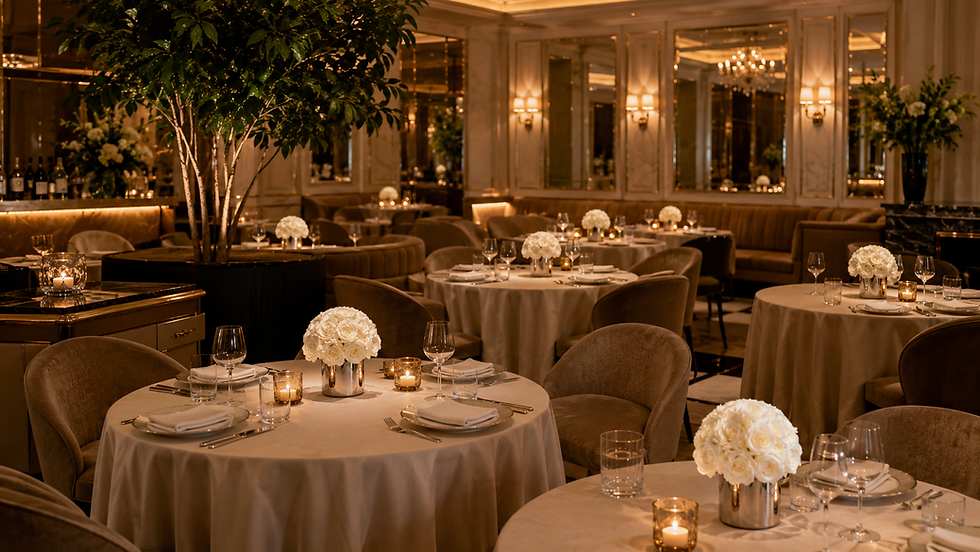
Fresh flowers can bring life to a dining room, but they also require regular replacement, water changes, trimming, and daily attention. Artificial flowers are easier to maintain and often work well for large installations, but their quality can vary, especially when viewed at close range.
Preserved flowers sit between these two options.
They begin as natural flowers, retain much of their original texture and appearance, and do not require watering. In the right indoor setting, they can add warmth, color, and refinement while reducing the need for frequent floral replacement.
They are not the best choice for every area. Outdoor entrances, humid rooms, open kitchens, and heavily handled displays may require other materials. However, for dining tables, reception desks, private rooms, lounges, and afternoon tea spaces, preserved flowers can offer a practical balance between natural beauty and stable presentation.
What Are Preserved Flowers?
Preserved flowers are natural flowers that have undergone a treatment process to maintain their shape, softness, and color for an extended period. During preservation, the flower’s natural moisture is stabilized or replaced. The result is a flower that keeps much of its natural appearance without needing water.
Preserved flowers are different from dried flowers. Dried flowers are usually firmer, more brittle, and more muted in color. Preserved flowers tend to remain softer and can be produced in a wider range of tones. They are also different from artificial flowers, which are made from materials such as fabric, plastic, foam, or coated polymers.
Preserved flowers perform best in stable indoor environments. They should be kept away from:
Direct sunlight
High humidity
Kitchen steam
Oil and smoke
Frequent touching
Wet cleaning methods
Strong airflow
They require less daily care than fresh flowers, but they are not maintenance-free.
Preserved, Fresh, or Artificial Flowers: Which Works Best in Restaurants?
Each material serves a different purpose.
Factor | Preserved Flowers | Fresh Flowers | Artificial Flowers |
Appearance | Natural and refined | Fresh and seasonal | Depends on material quality |
Watering | Not required | Required | Not required |
Maintenance | Low | High | Low |
Replacement frequency | Less frequent | Frequent | Infrequent |
Best scale | Small to medium arrangements | Small to large premium displays | Medium to large installations |
Best locations | Tables, reception desks, private rooms, lounges | Seasonal displays, premium entrances, events | Flower walls, ceilings, façades, large entrances |
Main limitation | Sensitive to humidity, dust, and touch | Wilting and regular replacement | May look less natural at close range |
Fresh flowers are best when natural fragrance, seasonality, and frequent visual change are part of the concept.
Preserved flowers work well for detailed indoor arrangements that need a natural appearance and more stable presentation.
Artificial flowers are generally more practical for large-scale, exposed, or high-traffic installations. Restaurant market research also shows that artificial flowers are currently the more established non-fresh material for façades, flower walls, ceilings, and large entrance displays.

How Preserved Flowers Improve Restaurant Ambience
Floral décor is only one part of a restaurant interior, but it can connect many visual elements.
Lighting, tableware, wall finishes, upholstery, furniture, and color all contribute to the atmosphere. A well-proportioned floral arrangement can help these elements feel more complete.
Creating a More Refined First Impression
The entrance and reception area shape the first view of the dining space.
A medium-sized preserved arrangement can add visual interest to a host station without requiring daily replacement. It may include:
Preserved roses in brand colors
Hydrangeas for volume
Moss or foliage for texture
A custom container
A subtle logo detail
The arrangement does not need to be large. A smaller piece with the right proportions often feels more considered than an oversized display.
Softening Hard Interior Materials
Many contemporary restaurants use stone, glass, steel, concrete, polished tile, or dark wood.
These materials can look elegant, but too many hard surfaces may make a room feel cold.
Preserved flowers introduce softer shapes and natural texture. A compact arrangement can soften a marble counter, add warmth to a neutral shelf, or break up a large area of dark color.
Supporting a Consistent Visual Identity
Preserved flowers are useful when color and shape need to remain consistent across different areas or multiple locations.
They can be standardized for:
Dining tables
Reception desks
Private rooms
Hotel lounges
Seasonal campaigns
Branded events
Flower colors, arrangement dimensions, containers, and flower ratios can be recorded for repeat production.
For a custom preserved flower program designed around your restaurant’s interior, brand colors, or table size, contact sales@sweetie-group.com.
How Preserved Flowers Support the Dining Experience
The dining table is where floral design must be especially practical.
A centerpiece may look attractive in a showroom but become inconvenient once plates, glasses, menus, candles, and serving dishes are added.
Good table flowers should support the meal, not compete with it.
Keeping Sightlines Clear
Restaurant centerpieces should usually remain low enough to avoid blocking conversation.
Suitable formats include:
Single preserved rose arrangements
Small three-flower compositions
Low rectangular flower boxes
Compact round arrangements
Preserved moss and rose combinations
Small ceramic or glass containers
Table flower arrangements should also avoid heavy pollen, strong fragrance, falling petals, and materials that could interfere with food service.
Reducing Visible Floral Decline
Fresh flowers naturally change after installation. Petals may soften, stems may bend, and water may become cloudy.
Preserved flowers reduce many of these short-term signs of decline. Under suitable indoor conditions, their shape and color generally remain more stable.
This is especially useful in:
Boutique cafés
Hotel restaurants
Private dining rooms
Afternoon tea venues
Chain restaurants
Lounge areas
Avoiding Strong Fragrance Around Food
Strong floral scents can interfere with how food, wine, coffee, or tea is experienced.
Preserved flowers typically have little natural fragrance, although this can vary by material and treatment. This makes them suitable for dining tables where a neutral scent profile is important.
Artificial fragrance should be used carefully. A strong added scent can become distracting at close range.
Reducing Frequent Replacement
Preserved flowers do not need watering or stem trimming.
Their maintenance mainly involves:
Gentle dust removal
Protection from humidity
Avoiding direct sunlight
Limiting unnecessary handling
Replacing damaged elements when needed
This makes them useful in spaces where floral décor should remain presentable without daily intervention.

Where Preserved Flowers Work Best
Preserved flowers are most effective when they are used selectively.
Restaurant Area | Recommended Format | Key Consideration |
Dining tables | Low, compact centerpieces | Protect table space and sightlines |
Reception desks | Medium arrangements in brand colors | Leave enough working space |
Private dining rooms | Coordinated floral pieces | Match the room and event style |
Bars and lounges | Decorative accents | Keep away from water and high-touch areas |
Afternoon tea areas | Soft-colored arrangements | Maintain clear separation from food |
Hotel lounges | Side-table and console arrangements | Choose designs suitable for long service hours |
They are generally less suitable near open kitchens, humid restrooms, outdoor entrances, or areas where guests frequently touch the display.
Key Design Considerations
The arrangement should be developed around the restaurant space, not selected only from a catalog.
Height and Proportion
A sample should be tested in the real service setup.
Place it on the intended table with:
Plates
Glassware
Menus
Serving dishes
Candles
Table lighting
This makes it easier to judge whether the arrangement is too tall, too wide, or too visually heavy.
Color Coordination
Flower colors should relate to the existing interior palette.
Useful references include:
Wall colors
Upholstery
Table surfaces
Menu covers
Logo colors
Staff uniforms
Packaging
Seasonal graphics
Because preserved flowers are natural materials, slight color variation may occur. Approved color ranges and reference samples should be confirmed before production.
Food-Safe Placement
Preserved flowers are decorative products.
They should be positioned so that:
Petals do not touch food
Loose material cannot fall onto plates
Cleaning products do not reach the flowers
Guests are not encouraged to handle them
Staff can remove them easily during cleaning
Humidity, Dust, and Cleaning
Preserved flowers should be kept away from steam, sinks, direct air vents, and wet cleaning areas.
Dust should be removed gently with a soft brush or another supplier-approved method.
Water, wet cloths, strong air pressure, and chemical cleaners should be avoided unless specific care instructions have been provided.
Customization for Restaurant Brands
Preserved flower arrangements can be developed around a restaurant’s visual identity.
Common customization options include:
Flower color
Flower variety
Arrangement size
Container material
Logo detail
Ribbon
Printed sleeve
Label
Care card
Seasonal accessories
For restaurant chains, the dimensions, flower count, color references, packaging, and placement instructions can be standardized across locations.
Seasonal versions can often be created by changing flower colors, ribbons, sleeves, or small accessories rather than redesigning the entire arrangement.
This approach works well for Valentine’s Day, Mother’s Day, Christmas, Ramadan, Eid, and other restaurant campaigns.
To discuss a branded restaurant centerpiece or seasonal preserved flower collection, email sales@sweetie-group.com.

Packaging and Sourcing Basics
Preserved flowers are delicate. Petals and flower heads can be damaged by pressure, vibration, or contact with the packaging.
The product should be fixed securely so that the arrangement does not shift during transport.
Key points to confirm include:
Internal fixation
Clearance around the flower heads
Shock protection
Glass protection when domes are used
Carton suitability for store distribution or e-commerce
Transport testing before bulk production
Open flower arrangements, lidded flower boxes, and glass-dome products require different protection structures. Sweetie’s packaging approach includes reinforced individual cartons and removable supports that help prevent flower heads from touching the inner packaging during transport.
Before placing an order, it is useful to confirm:
Can the color and size be standardized?
What variation should be expected between batches?
What indoor conditions are suitable for the product?
Can the container and logo be customized?
What is the MOQ?
How are handmade products inspected?
How is the arrangement protected during shipment?
Can repeat orders match the approved sample?
For multi-location programs, approved reference samples and written production specifications can help improve repeat-order consistency.
How Sweetie-Gifts Supports Custom Restaurant Projects
Sweetie-Gifts develops preserved flower products for international B2B, retail, gifting, hospitality, and customized brand programs.
A restaurant project can be developed around:
Interior photographs
Table dimensions
Brand colors
Intended placement
Target market
Required quantity
Seasonal schedule
Packaging method
Delivery destination
Target price range
Support can include product development, OEM and ODM customization, sampling, packaging design, bulk production, quality inspection, and export coordination.
Sweetie has dedicated production capabilities for preserved flowers, soap flowers, and PE rose products, supported by independent product development and sales teams. The company serves customers across more than 50 countries and has experience with retail, gifting, and international brand projects.
To develop a custom preserved flower solution for dining tables, reception areas, private rooms, or hotel lounges, contact sales@sweetie-group.com.

Final Thoughts
Preserved flowers are not a replacement for every fresh flower arrangement.
Fresh flowers remain a strong choice for seasonal displays, premium entrances, and special events. Artificial flowers are often more practical for large walls, ceilings, and outdoor installations.
Preserved flowers are most valuable in detailed indoor settings where natural texture, stable presentation, and lower replacement frequency matter.
The best arrangement does not block conversation, reduce table space, interfere with food, or create extra work for staff. It simply helps the room feel more complete.
When the flower design is developed around the space, even a small arrangement can make the dining environment feel more thoughtful and refined.
Frequently Asked Questions
Are preserved flowers suitable for restaurant tables?
Yes. They work well when the arrangement is low, compact, stable, and positioned away from food.
Do preserved flowers need water?
No. Preserved flowers should not be watered. Moisture may damage the petals and affect their appearance.
How long do preserved flowers last indoors?
There is no single guaranteed period. Display life depends on humidity, sunlight, dust, air conditioning, handling, and placement.
Are preserved flowers better than fresh flowers?
Neither option is universally better. Fresh flowers suit seasonal displays and frequent visual change. Preserved flowers suit stable indoor arrangements with less frequent replacement.
Can restaurant arrangements be customized?
Yes. Flower color, size, container, logo, ribbon, packaging, and seasonal details can all be customized.
How should preserved flowers be cleaned?
They should be dusted gently with a soft brush or another supplier-approved method. Water and chemical cleaners should be avoided.
Annie Zhang
CEO of Sweetie Group


Comments