


Plush Flower Quality Control Checklist for Importers: What to Inspect Before Shipment

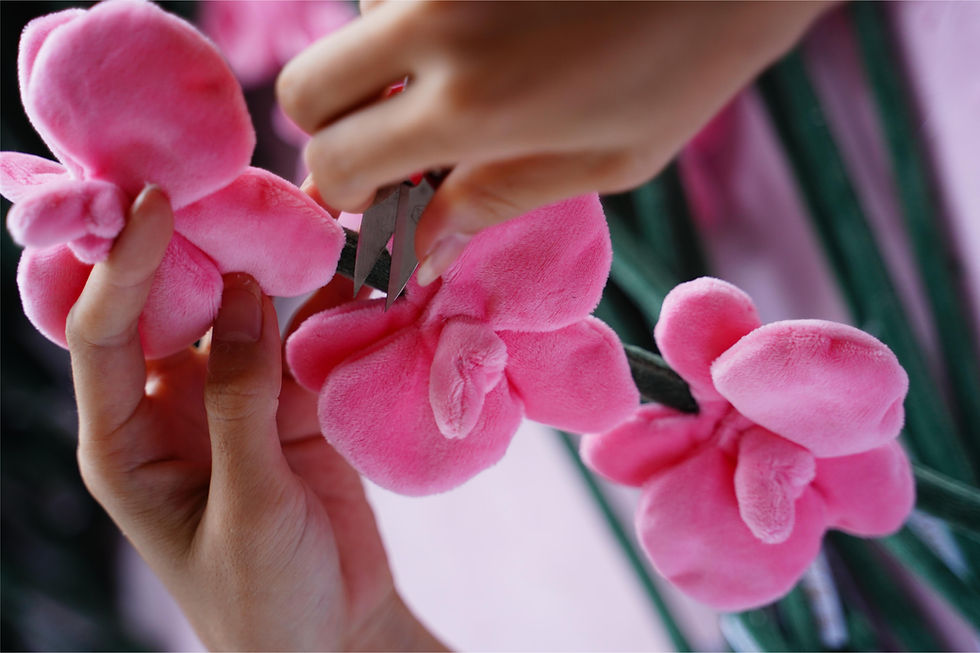
A plush flower sample may look perfect on your desk. The harder question comes later: will 3,000 or 5,000 pieces still look like the same product?
That is where plush flower quality control becomes important.
The most common problems are not always dramatic defects. They are often small inconsistencies that become obvious when products are displayed together: one flower head is noticeably smaller, one shade of pink is different from the rest, a leaf sits at the wrong angle, or a flower head leans more than it should.
For plush flowers, good QC is not about finding one perfect piece. It is about making sure the shipment consistently matches the approved standard.
That means checking materials, workmanship, flower shape, assembly, stem structure, batch consistency, packing, and labeling before shipment.
What Should Be Checked Before Plush Flowers Are Shipped?
A practical plush flower inspection usually covers these areas:
QC Area | Main Inspection Points |
Approved sample | Shape, dimensions, color, materials, packaging |
Fabric and surface | Texture, color, stains, damage, shedding |
Stitching and handwork | Open seams, loose threads, visible glue |
Flower shape and assembly | Petals, center, leaves, fullness, proportion |
Stem and connection | Straightness, stability, flower-head attachment |
Batch consistency | Color, size, shape, overall appearance |
Packing and labeling | SKU, barcode, tags, quantity, carton information |
The list is simple. The important part is knowing what each item means for a plush flower rather than treating it like a conventional stuffed toy.
1. Start With the Approved Sample
Quality control should begin before mass production.
Once a sample is approved, it should become the reference for the production run. A short message saying "sample approved" is useful, but it is not enough by itself.
For a plush flower, the approved standard should normally cover:
Overall height
Flower head size
Main color
Fabric or surface material
Flower shape and fullness
Petal arrangement
Leaf position
Stem length
Visible workmanship
Packaging presentation
Photos are helpful, but key dimensions and material references make the standard clearer.
This becomes especially important with custom styles and repeat orders. A physical sample, approved photos, and a short specification sheet give the factory a much better basis for reproducing the same product later.
A beautiful prototype is only the starting point. The real production challenge is making the design repeatable.
If you are developing a new plush flower or preparing a bulk order, send your sample photos or product brief to sales@sweetie-group.com. We can help review the key specifications before production.
2. Inspect the Details That Affect Plush Flower Quality
Fabric and Surface
Fabric affects much more than softness.
It also influences the flower's shape, surface appearance, and how well the petals hold their intended structure.
A very soft fabric can feel good but may not always create the best flower form. Some designs need a little more body so the petals keep their shape.
During inspection, compare the production fabric with the approved sample. Check:
Texture and surface appearance
Color consistency
Holes or damaged areas
Stains and unwanted marks
Unusual shedding
Noticeable odor
Obvious differences between fabric batches
Color deserves particular attention when several flowers are sold as one collection.
A small difference between two shades of pink may not be obvious in separate photos. Place ten pieces together, and it can become much easier to see.
Stitching and Handwork
Clean stitching is still a basic requirement.
Look for:
Open seams
Skipped stitches
Loose threads
Damaged fabric near seams
Rough finishing
Visible glue marks or glue strings
But stitching should not become the whole inspection.
A flower can have acceptable seams and still look noticeably different from the approved sample.
That is why plush flower QC needs to go beyond conventional sewing checks.
Flower Shape and Assembly
This is one of the most important parts of plush flower inspection.
Different flowers rely on different visual details. A rose depends on layering. A tulip depends heavily on silhouette. A sunflower needs the right relationship between its center and petals.
The finished flower should therefore be checked as a floral product, not only as a sewn textile item.
Look at:
Flower head size
Overall silhouette
Petal layering
Petal direction
Flower center position
Leaf placement
Fullness
Head-to-stem proportion
Secure assembly is only one part of the inspection. The finished flower should also match the approved shape and proportion.
For styles that use filling, check whether the flower head feels too flat, overfilled, uneven, or noticeably different from other pieces in the same batch.
Hand assembly naturally creates some variation. The goal is not mathematical perfection. The variation simply needs to stay within a range that still looks consistent in retail display.
Stem and Flower-Head Connection
The stem affects both proportion and presentation.
Check whether the stem length matches the approved sample and whether the stem is reasonably straight.
Also check the connection between the flower head and stem.
The head should remain stable during normal handling. Leaves and decorative parts should also be securely attached.
If the design contains an internal support, it should remain properly enclosed. Exposed hard or sharp internal components require further review.
For bouquets and multi-flower arrangements, stem consistency becomes more visible because differences in height and angle affect the whole arrangement.
3. Check Batch Consistency, Not Just Individual Pieces
A single piece cannot show whether the whole batch is consistent.
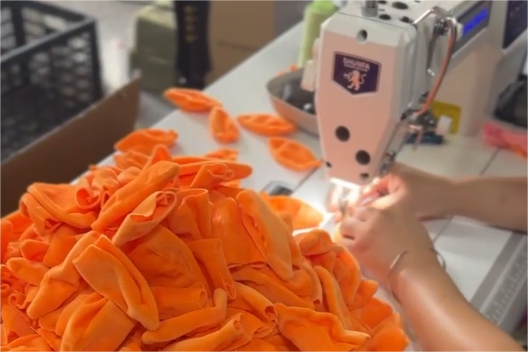
During final inspection, place several pieces of the same SKU side by side and compare them.
Look at:
Flower head size
Overall shape
Fullness
Color
Stem length
Leaf position
Flower-head angle
General workmanship
This simple comparison often reveals differences that are difficult to notice when each flower is inspected separately.
For example, five flowers may all look acceptable on their own. When placed together, one may have a smaller head, another may have a slightly different color, and another may lean to one side.
For a retail display, coordinated bouquet, or seasonal collection, those differences matter.
The objective is not to eliminate every handmade variation. It is to make sure the products still clearly belong to the same SKU and the same collection.
This is especially important for repeat orders. If the same design is ordered again several months later, the reference sample and production specification help reduce unnecessary changes in color, size, and construction.
For bulk or repeat plush flower orders, we can help define the main QC points before production. Contact sales@sweetie-group.com with your SKU list or project requirements.
4. Check Packing, Labels, and Order Accuracy
Plush flowers are soft and flexible, so moderate compression during packing is usually less critical than it is for fragile floral products such as preserved flower arrangements or glass domes.
The bigger concerns are different.
Check that:
Long stems are not sharply bent
Flower heads remain securely attached
Leaves and accessories remain in place
Products stay clean during packing
Hangtags are secure
Barcodes are correct
SKU and color assortments match the order
Carton quantities are correct
Carton marks match the shipping information
After unpacking, the product should return to its intended display shape with only minor adjustment, if any.
The packaging method should also suit the product format.
A single plush flower stem, bouquet, gift box, blind box, and retail display set may all need different packing arrangements.
This is why packing should be checked against the approved sales format rather than treated as a separate warehouse issue.
Incorrect labels can also create problems even when the product itself is well made. A wrong barcode, mixed SKU, or incorrect carton quantity can cause receiving and retail problems later.

5. Final Pre-Shipment Plush Flower QC Checklist
Before shipment, the final inspection can be summarized into a practical checklist.
Inspection Point | What Should Pass |
Overall shape | Consistent with approved sample |
Flower head | Correct size, fullness, and proportion |
Petals and leaves | Correctly positioned and securely attached |
Color | No unacceptable variation within the same SKU |
Fabric surface | Clean and free from obvious damage |
Stitching | No open seams or significant sewing defects |
Handwork | No unacceptable visible glue or rough finishing |
Stem | Correct length and reasonably straight |
Flower-head connection | Secure during normal handling |
Internal structure | No exposed hard or sharp parts |
SKU and color | Match the purchase order |
Barcode and hangtag | Correct and securely applied |
Packing quantity | Matches packing specification |
Carton information | Matches approved shipping details |
Unpacked presentation | Suitable for intended display |
For larger orders, final inspection may also use an agreed AQL sampling plan rather than checking every piece.
The sampling method, defect categories, and acceptance levels should be agreed before production. They should not be decided only after the goods are finished.
Quality Control Is Not the Same as Compliance
Quality control and product compliance are related, but they answer different questions.
Quality control asks whether the shipment matches the agreed product specification.
Compliance asks whether the product meets the legal and safety requirements that apply to its intended use and destination market.
The applicable requirements may depend on how the product is constructed, labeled, marketed, and used.
For example, a decorative floral gift and a product intended to be sold as a children's toy may need different testing or documentation.
Compliance requirements should therefore be confirmed separately for the actual product and target market.
How We Check Plush Flower Orders at Sweetie-Gifts
At Sweetie-Gifts, plush flower QC begins with the approved sample and continues through production and final inspection.
For custom and bulk orders, the main reference points can include materials, dimensions, flower shape, color, stitching, assembly, stem condition, packaging, and labeling.
Several pieces from the same style are also compared during inspection because batch differences are easier to identify when products are viewed together.
This approach is especially useful for seasonal programs, coordinated collections, and repeat orders where consistency matters over time.
Plush flowers may look simple, but stable mass production still depends on careful control of many small details.
A good shipment should not only contain products without obvious defects. It should look consistent when the flowers are placed together, packed, unpacked, and prepared for retail.
For plush flower wholesale, OEM/ODM development, or QC requirements for an upcoming order, contact sales@sweetie-group.com.

Frequently Asked Questions
How do you check the quality of plush flowers?
Compare production with the approved sample and check fabric, stitching, flower shape, petals, leaves, stem construction, component attachment, color, and surface cleanliness. Several pieces should also be compared together to confirm batch consistency.
What are the most common plush flower quality defects?
Typical concerns include inconsistent flower shapes, color variation, open seams, loose threads, visible glue, stains, loose components, poorly positioned petals or leaves, bent stems, and incorrect labels or barcodes.
How can importers make sure bulk plush flowers match the approved sample?
Keep a clear production reference that includes the approved sample, key dimensions, materials, colors, flower structure, and packaging requirements. During production and final inspection, compare random pieces against those references and review several pieces together.
Is plush flower QC the same as toy safety testing?
No. Plush flower QC focuses on manufacturing quality and consistency. Toy safety or other compliance testing determines whether the product meets the legal requirements that apply to its intended use and destination market.
Annie Zhang


Comments