


How Museums Can Turn Botanical Collections Into Custom Plush Merchandise


A visitor spends half an hour exploring a botanical exhibition and becomes fascinated by an unusual orchid. Its petals have a distinctive shape, and the exhibition explains how it grows in its natural habitat.
Before leaving, the visitor stops at the museum store. There are postcards, notebooks, magnets, and a few stuffed animals, but nothing inspired by the orchid they just discovered.
For museum merchandise buyers, this presents an interesting product development opportunity.
Botanical museums, natural history museums, and botanical gardens hold collections that can inspire distinctive retail products. These may include rare plants, historical botanical illustrations, herbarium specimens, and unusual species with fascinating characteristics.
Some of these collections could be developed into custom plush flowers, botanical plush products, and collectible soft merchandise that connect directly to the institution's exhibitions and educational work.
The challenge is turning a botanical reference into a product visitors recognize and want to purchase, while keeping design, manufacturing costs, and retail requirements realistic.
This guide explains how museums can select suitable botanical subjects, translate them into plush designs, and develop merchandise for museum stores and botanical garden retail.
Why Botanical Collections Can Inspire Distinctive Plush Merchandise
Museum stores often carry familiar categories such as books, stationery, magnets, apparel, and plush toys. These products are useful, but some designs can be found in many other retail settings.
Botanical collections offer a more specific starting point.
A museum may have a historical illustration of an orchid, an unusual carnivorous plant in its living collection, or a group of native wildflowers featured in an exhibition. Each provides a recognizable subject for merchandise development.
Instead of selecting a generic flower design, the merchandise team can create a product based on something visitors have encountered during their visit.
For example, a plush flower inspired by a historical botanical illustration could feature carefully shaped petals and a small tag showing the original artwork, the plant's scientific name, and its connection to the museum.
The result is a product with a clear relationship to the collection.
Botanical plush merchandise can also support educational goals. A plush pitcher plant might highlight its unusual structure, while a collection of native wildflowers could introduce visitors to different species found in a particular region.
The product does not need to reproduce every botanical detail. It should preserve the characteristics that make the subject recognizable
.
There is one important distinction for merchandise developers: museum-inspired merchandise is not automatically museum-exclusive merchandise.
A product may take inspiration from a botanical subject without being exclusive to a particular institution. Exclusivity depends on design ownership, licensing, and the relevant commercial agreements.
These questions should be addressed before production begins.
Which Botanical Subjects Make Good Plush Products?
Not every attractive plant makes a practical plush product.
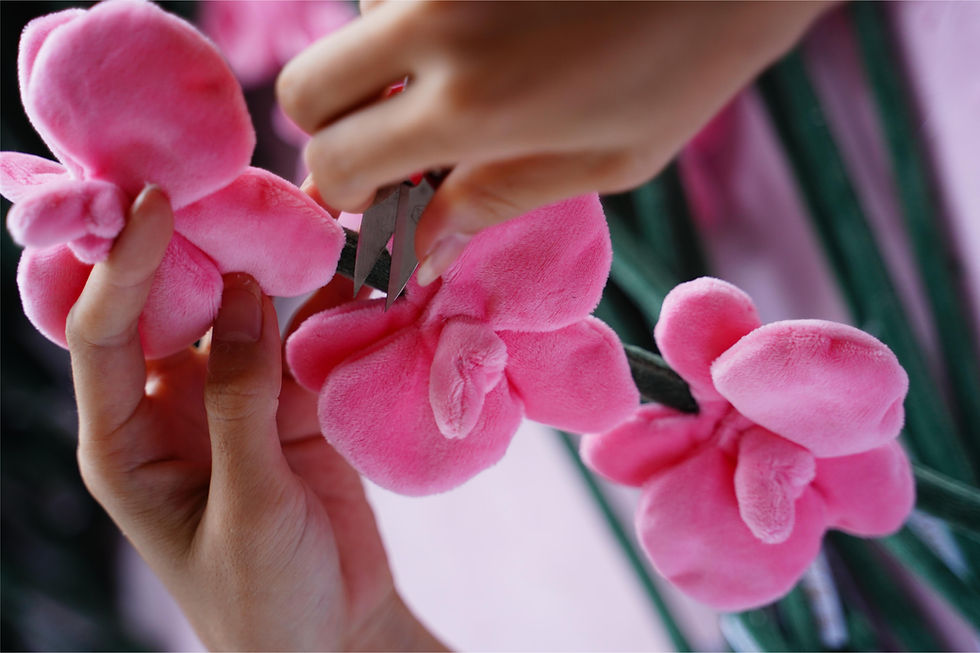
Some flowers have recognizable shapes that translate easily into fabric. Others contain delicate structures that require more complicated patterns, embroidery, or internal support.
Before choosing a subject, museum merchandise teams should consider three questions:
Will visitors recognize the plant after its details are simplified?
Does it have a meaningful connection to the institution's collection or exhibition?
Can the design be produced consistently at a cost suitable for the intended retail price?
Different botanical references offer different possibilities.
Botanical source | Possible plush merchandise | Main design opportunity |
Historical botanical illustrations | Single plush flowers or collectible sets | Distinctive colors and illustrated details |
Rare orchids | Detailed plush flowers | Unusual petal shapes and proportions |
Carnivorous plants | Plush plant pots or soft characters | Recognizable traps and pitcher structures |
Native wildflowers | Regional botanical collections | Connection to local ecology |
Herbarium specimens | Educational plush series | Scientific identity and collection history |
Floral artworks | Exhibition-themed plush products | Artistic colors and compositions |
Botanical Illustrations and Historical Plant Collections
Botanical illustrations can provide especially useful design references.
Unlike an ordinary flower photograph, a scientific illustration may clearly show the arrangement of petals, leaves, stems, and other identifying characteristics.
Consider a historical orchid illustration.
The artwork might feature long petals, a contrasting central lip, and distinctive markings. A plush version could preserve the overall proportions, use layered fabric for the petals, and reproduce selected markings through embroidery.
If the rights allow, the museum could include a reproduction of the original illustration on the product's packaging or hangtag.
This helps visitors understand where the design came from.
Unusual Plants With Recognizable Shapes
Some of the most interesting botanical plush concepts come from plants that are not traditionally associated with floral merchandise.
Carnivorous plants are a good example.
A Venus flytrap has distinctive traps with tooth-like edges. A pitcher plant has a recognizable pitcher-shaped structure. These features can remain identifiable even when simplified for a soft product.
For example, a plush pitcher plant could use a rounded fabric body, a shaped opening, a soft lid, and embroidered markings.
It would not be an exact botanical model, but the construction could preserve the plant's most recognizable characteristics.
This type of product may be particularly suitable for botanical gardens and science museums, where unusual plants are often used to explain adaptation and biodiversity.
How to Turn a Botanical Reference Into a Plush Product
Developing custom botanical plush merchandise requires more than selecting fabric colors.
The museum's botanical specialists, merchandise team, and manufacturer need to agree on the essential features, intended product format, and acceptable manufacturing complexity.
A practical development process includes five steps.
Step 1: Select a Plant With a Clear Collection Connection
The starting point should be a specific plant, specimen, illustration, or exhibition subject.
A plant may be selected because it is central to a temporary exhibition, important to the institution's research, or familiar to regular visitors.
Before beginning design work, the museum should also identify its target audience.
A science museum serving families may prefer a playful botanical character. An art museum might choose a more detailed interpretation of a historical floral illustration.
The intended retail price is another early consideration.
A small, accessible product and a premium collectible may require very different materials, construction methods, and packaging.
Step 2: Identify the Botanical Features That Must Remain
A plush product cannot reproduce every detail of a living plant.
Instead, the design team should determine which characteristics are essential to recognition.
For an orchid, the proportions of its petals and central lip may be particularly important.
For a sunflower, the central disk and surrounding petals define its appearance.
For a Venus flytrap, the shape of its traps matters more than reproducing every tiny surface detail.
Photographs from multiple angles are often useful, especially when the plant has an unusual three-dimensional structure.
Botanical illustrations and specimen descriptions can provide additional reference material.
The goal is not perfect realism. It is to preserve the features that identify the plant while adapting the design to soft materials and practical production.
Step 3: Choose Materials and Construction Methods
This is where botanical design and textile manufacturing need to work together.
Different plant characteristics require different construction techniques.
Layered fabric petals can create depth and reproduce overlapping flower structures.
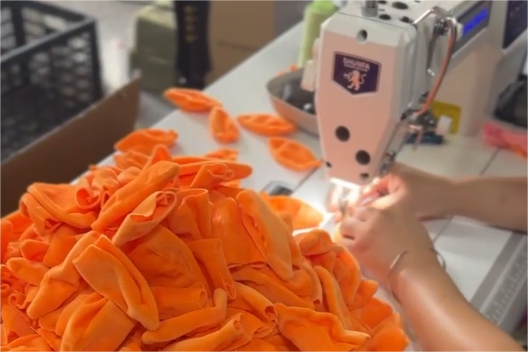
Embroidery can represent markings, veins, and smaller botanical details without adding separate components.
Fabric printing may help reproduce complicated color patterns, depending on the material and durability requirements.
Filling and internal construction determine how well the product maintains its intended shape during handling and display.
For example, a plush orchid with wide petals may require different construction from a compact daisy.
A pitcher plant presents another challenge. Its opening and tubular structure need to remain recognizable without relying on components that compromise safety or handling.
Material selection also affects production costs.
More fabric pieces, detailed embroidery, additional construction steps, and complicated assembly can increase manufacturing time and cost.
For museum merchandise, the most effective design is not necessarily the one with the greatest number of details. It is the one that preserves the plant's identity while remaining practical to manufacture and sell.
Step 4: Develop and Review the Sample
Sampling is one of the most important stages of custom botanical plush development.
A design may look excellent on paper, but fabric behaves differently.
Petals that appear elegant in an illustration may droop when made from soft material. Leaves can look oversized after filling. Complex botanical structures may lose their definition when assembled.
The first physical sample helps identify these problems.
The museum's botanical specialist can review the plant's identifying features, while the merchandise team evaluates the appearance, size, handling, and target price.
The sample review should cover:
Overall shape and botanical recognition
Fabric colors and textures
Sewing, embroidery, and attachment quality
Product dimensions and display stability
Packaging compatibility
Consistency requirements for bulk production
Revisions should be documented before the final sample is approved.
For custom botanical plush projects at Sweetie-Gifts, we can review plant photographs, botanical illustrations, intended product formats, and purchasing requirements to help determine suitable materials and construction methods.
The design may need adjustments during sampling, particularly when the original botanical reference contains details that are difficult to reproduce in fabric.
Developing a custom botanical plush collection? Send your plant references and project requirements to sales@sweetie-group.com to discuss design and sampling options.
Step 5: Connect the Product to the Collection
Once the plush design is approved, the merchandise team can develop the information that accompanies it.
A single plush flower might need only a small hangtag.
This could include the plant's common name, scientific name, and a short explanation of its habitat or connection to the collection.
A premium collectible might include a botanical illustration card or a QR code linking to the relevant museum collection page.
All scientific information should be reviewed by the institution before printing.
Artwork reproduction, photography, and museum branding should also be checked for the appropriate permissions.
Packaging needs to work in the retail environment.
A compact hangtag or illustrated sleeve may be sufficient for a smaller product. A larger collectible might justify more elaborate packaging, provided the additional cost and space requirements are appropriate.
Choosing the Right Product Format for Museum Retail
A single botanical reference can inspire several product formats.
A plush orchid could become a single-stem flower, a decorative pot, or part of a coordinated botanical collection.
However, these formats serve different retail needs.
Product format | Suitable retail use | Main consideration |
Single-stem plush flower | Museum store counters and botanical collections | Clear silhouette and stem stability |
Mini plush plant pot | Botanical gardens and science centers | Plant shape and display balance |
Plush flower bouquet | Gift-oriented purchases and exhibition collections | Assembly and packaging volume |
Mini plush keychain | Compact souvenir displays | Attachment durability and safety |
Collectible botanical set | Exhibition stores and themed collections | Consistent design across multiple products |
A small museum store may benefit from starting with one distinctive plant in a single format.
For example, a pitcher plant plush pot could be displayed alongside a short educational card explaining the plant's unusual structure.
A larger botanical garden with multiple retail locations might consider a coordinated series of orchids or regional wildflowers.
Each design could feature its own botanical label while sharing consistent dimensions, packaging, and visual presentation.
However, expanding the number of designs also increases sampling work, inventory commitments, and replenishment complexity.
For an initial collection, one or two strong botanical subjects may be more practical than launching many designs simultaneously.
Merchandise buyers can also use Sweetie AI to explore floral product options according to their sales channels and purchasing requirements. It can assist with product selection and initial procurement planning before a detailed sourcing discussion.
What Museums Should Confirm Before Production
Custom museum merchandise can involve additional requirements because the product may represent a collection, historical artwork, or institution's identity.
Before placing an order, three areas deserve particular attention.
Artwork Rights, Branding, and Exclusivity
Using a botanical illustration from a museum collection does not automatically establish permission for every commercial use of that image.
Rights may differ between the original artwork, photographs, digital reproductions, and institutional branding.
The merchandise team should confirm which reference materials can be used and whether any permissions or attribution are required.
For exclusive products, the manufacturing agreement should clarify design ownership, permitted distribution channels, and whether the manufacturer can reproduce the design for other customers.
These arrangements should be confirmed before bulk manufacturing begins.
MOQ, Cost, and Product Specifications
Custom botanical plush products do not have a universal minimum order quantity.
MOQ depends on factors such as product dimensions, fabric availability, custom colors, construction complexity, and packaging requirements.
For instance, adapting an existing plush flower structure to match a museum's approved colors may require less development than creating a completely new carnivorous plant design.
A detailed quotation should specify the product dimensions, materials, order quantity, packaging, sampling arrangements, and applicable delivery terms.
The target retail price should also be considered before finalizing the design.
An elaborate sample may be visually impressive, but the design might need to be simplified if its production cost does not support the museum's intended retail position.
Product Safety, Delivery, and Reordering
Botanical plush merchandise may be sold as decorative products, collectibles, or toys.
Its regulatory classification depends on the product's intended use, characteristics, presentation, and applicable market requirements.
Museums should confirm the relevant rules for their destination markets, including requirements concerning materials, internal components, small parts, labeling, and traceability.
Products intended for children may require additional evaluation and testing.
Delivery planning is particularly important for temporary exhibitions.
The project schedule should allow for reference approval, sampling, revisions, applicable testing, packaging approval, manufacturing, and transportation.
For permanent merchandise collections, repeat-order consistency also matters.
Approved samples, fabric specifications, color references, construction details, and packaging requirements should be documented to support future production.
Real Botanical Institutions and Merchandise Inspiration
Botanical institutions provide useful examples of how plant collections and educational exhibitions can inform merchandise development.
The following examples are based on publicly available institutional information. The plush concepts discussed are possible product ideas, not claims that these institutions have launched those specific items.
United States Botanic Garden: Educational Exhibitions Built Around Unusual Plants
The United States Botanic Garden in Washington, D.C., provides an interesting example through its Fierce Flora: Tales of Survival and Demise exhibition.
The exhibition opened in September 2024 and explores how plants protect themselves and survive in challenging environments.
Visitors can interact with educational experiences involving carnivorous plants such as Venus flytraps and bladderworts, along with other plants that have distinctive defensive characteristics.
The Garden also announced a botanically themed retail space operated in connection with the exhibition.
This provides a useful example of how a recognizable botanical subject and a visitor learning experience can exist alongside retail opportunities.
For a hypothetical plush merchandise collection, a Venus flytrap or pitcher plant could be considered because its distinctive structure connects directly to the exhibition's subject matter.
The merchandise team could then evaluate whether a simplified plush design would be recognizable, practical to manufacture, and appropriate for the intended audience.
UC Botanical Garden at Berkeley: Merchandise Inspired by Specialized Plant Collections
The UC Botanical Garden at Berkeley offers another perspective on botanical retail.
Its Garden Shop and Plant Nursery provide plants and garden-related merchandise connected to the visitor experience.
The Garden maintains diverse plant collections and has a strong educational and research focus.
For merchandise developers, this suggests an approach based on selecting botanical subjects associated with the institution's collections rather than relying only on familiar flower designs.
For example, a garden with notable native plant or carnivorous plant collections could explore a small range of plush products inspired by those subjects.
Each design could be reviewed for its botanical features, intended customer, retail price, and production requirements.
A collection based on specialized plant subjects would allow the institution to develop merchandise closely related to its own educational identity.
These examples highlight two possible approaches: developing merchandise around a specific exhibition or selecting subjects from an institution's broader botanical collections.
Both approaches can begin with a limited number of products and expand after the museum has evaluated customer response and operational requirements.
Frequently Asked Questions
Can museums develop plush merchandise from historical botanical illustrations?
Yes. Historical botanical illustrations can provide references for custom plush flowers and botanical plush products.
Before production, museums should confirm the relevant reproduction rights and identify which visual details need to remain recognizable.
How can botanical plush merchandise remain recognizable without being completely realistic?
The design should preserve the plant's most distinctive features, such as petal proportions, leaf arrangements, markings, or unusual structures.
These can be reproduced through fabric shapes, embroidery, printing, and suitable construction methods.
What affects the cost of custom botanical plush merchandise?
The main factors include product size, fabric selection, construction complexity, embroidery or printing requirements, sampling, packaging, and order quantity.
Completely new botanical shapes may require more development than modifications of existing plush structures.
Can museums reorder the same exclusive plush design?
Yes, provided the manufacturing and commercial agreements allow repeat production.
The manufacturer should retain the approved sample and relevant material, color, construction, and packaging specifications to support consistency.
Conclusion: Developing Merchandise That Reflects the Collection
Botanical collections offer museums a valuable starting point for custom merchandise development.
A historical orchid illustration, a carnivorous plant, or a group of native wildflowers can inspire plush products that are directly connected to an institution's collections and educational activities.
The most important decisions happen during product development.
The selected plant needs recognizable features, the textile construction must be practical, and the approved design must be suitable for repeat production.
The museum also needs to consider artwork rights, product classification, packaging, retail pricing, and delivery requirements.
For institutions developing their first botanical plush collection, starting with one distinctive species is often a practical approach. It allows the merchandise team to evaluate the design and retail response before committing to a larger assortment.
At Sweetie-Gifts, we provide custom plush flower development, sampling, packaging, and manufacturing support for international B2B customers.
Considering custom botanical plush merchandise for your museum or botanical garden? Email sales@sweetie-group.com with your design references and purchasing requirements to explore suitable options.
Annie Zhang
CEO, Sweetie-Group

Comments