


Wedding Favors in 2026: What Guests Actually Appreciate — and What Feels Like a Burden

Wedding favors aren’t going away. What’s going away is the kind of favor guests quietly leave on the table because it feels like clutter, guilt, or one more thing to carry.
If you read enough real guest feedback (not styled shoots, not vendor marketing), the pattern is remarkably consistent: people do like being thanked. They just don’t want to be handed an obligation.
Below is a practical, evidence-based breakdown of what guests consistently appreciate in 2026—and what they consistently complain about—plus a framework buyers and event teams can use to build favor programs with high “take rate” and low waste.

What guests actually appreciate in 2026
1) Consumable favors: “Eat it, drink it, done.”
Across guest discussions, the most reliably praised favors are the ones that disappear on their own:
Cookies, chocolate, truffles, donuts
Popcorn bars, candy tables (with bags/boxes to fill)
Coffee beans or tea
Honey, jam, maple syrup
Olive oil, hot sauce, spice blends
Why these win:
No guilt, no storage problem. Nobody feels bad tossing packaging after enjoying something.
They get used immediately. Many guests eat them that night, on the ride home, or back at the hotel.
Low “taste risk” when chosen well. Simple, high-quality items with clear labeling are hard to hate.
Buyer takeaway: When you want the lowest-return-risk category, consumables are still the safest bet—especially when packaging is travel-friendly and doesn’t feel cheap.
2) On-the-spot utility: “This helped me tonight.”
The second big winner is favors that improve the guest experience in the moment:
Blankets for chilly evenings
Fans for outdoor summer ceremonies
Flip-flops for grass venues and tired feet
Hangover/recovery kits (water, hydration packets, mints, etc.)
Welcome bags for hotel or destination weddings (snacks, water, itinerary card)
Why these work:
They’re not souvenirs. They’re hospitality.
They feel thoughtful, not transactional. Guests remember being cared for.
They reduce friction. When the favor solves a real problem, it’s naturally valued.
Buyer takeaway: Utility favors are less about “cute” and more about operations. The best ones are standardized, easy to distribute, and appropriate for the venue/weather.
3) Décor-to-favor: turn the centerpiece into the gift
This is the most underused lever—and one of the most powerful.
Guests repeatedly praise favors that double as tabletop décor, because they solve two problems at once: they look great during the event, and they don’t create extra waste after it.
Common guest-approved examples:
Potted succulents or small plants used as centerpieces
Orchids or mixed small plants arranged across the table
Seed paper place cards or seed packets that guests can take home
“Centerpiece giveaway” moments (e.g., a lucky seat/table takes the arrangement)
Why this works so well in 2026:
One budget, two outcomes. Your décor spend becomes your favor spend.
Distribution is built in. If it’s already on the table, guests don’t have to “remember” to pick it up.
It aligns with low-waste expectations. You’re reducing disposables without preaching sustainability.
It feels higher-end. A beautiful tabletop item reads more premium than a cheap trinket.
Execution detail that makes or breaks it: guests need a clear signal that it’s meant to be taken. A single tent card or line on the menu—“Please take the centerpiece home”—dramatically increases follow-through.
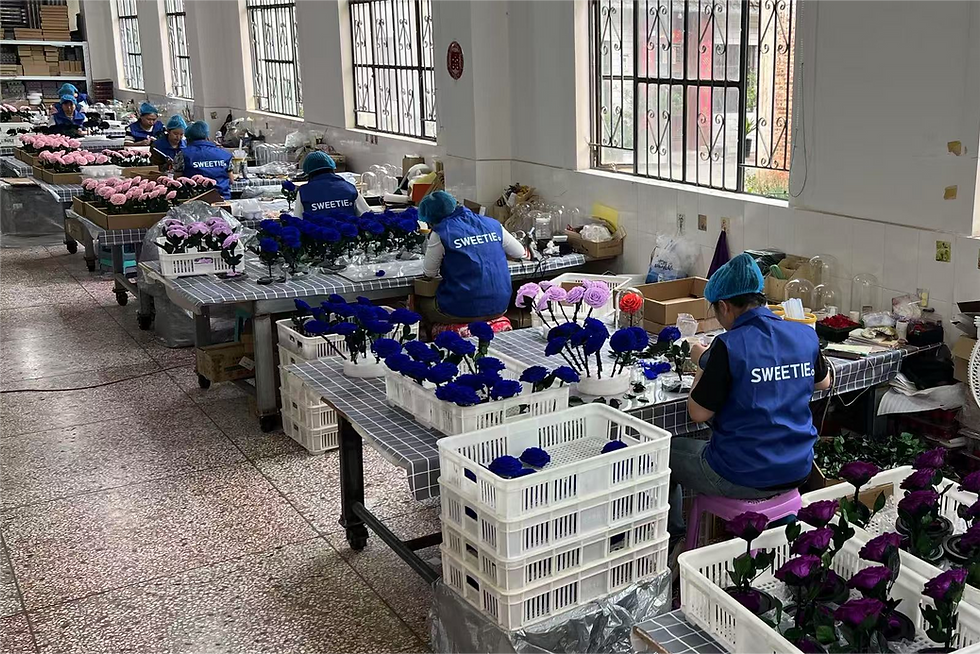
If you’re exploring centerpiece-to-favor concepts with everlasting floral décor (for example: durable tabletop arrangements, modular mini pieces, or gift-ready floral accents designed to travel well), email sales@sweetie-group.com and we can share packaging-friendly formats and MOQ options that work for venues, event groups, and retail programs.

4) Experience-based favors: memories, not objects
Two experience-forward approaches consistently stand out:
Printed photos sent after the wedding (one per family/couple)
Caricature artists / photo booth strips (especially when guests can actually keep them safely)
Why they’re memorable:
They produce a keepsake without clutter.
They feel personal without printing the couple’s name on a permanent object.
Buyer takeaway: These are best treated as “experience upgrades” rather than inventory items. They can be packaged as add-ons by venues and event teams.
5) Donation cards: meaningful, but best paired with something small
Donation-in-lieu-of-favors gets strong positive reactions when it’s tied to a real story or value. But there’s also a consistent nuance: some guests still appreciate a small tangible element.
The most reliable version:
A donation card + a small edible (one chocolate, a cookie, a tiny snack)
Buyer takeaway: Donation-only can read as “empty” to some guests. Pairing it with a small consumable keeps it warm and complete.
What feels like a burden in 2026
1) Over-personalized keepsakes (especially with names and dates)
Guests are blunt about this category. The most complained-about favors include:
Mugs, glasses, coasters, keychains, and other household items printed with the couple’s names/date
Cheap branded trinkets that don’t fit anyone’s home
Why they fail:
People don’t want other people’s names permanently in their kitchen.
They feel guilty tossing them, so they become drawer clutter.
They often look “budget,” which can backfire emotionally.
2) Cute-but-useless items
Bubbles, novelty toys, overly themed knickknacks—anything that’s not useful or consumable tends to get left behind or tossed later.
The problem isn’t that guests are ungrateful. It’s that the object has no clear place in a normal life.
3) Poor execution (even a good favor can flop)
Some of the most painful stories are not about the favor itself, but how it was distributed:
Items stacked on a side table with no sign
Guests not realizing they were meant to take one
Favors that are heavy, fragile, or awkward to carry
A simple rule emerges:
A favor should never rely on memory. It should be either at the seat, on the table, or handed at the exit.

The real shift: from keepsakes to low-burden gifting
If you’re a buyer, venue operator, or product team, here’s the strategic takeaway:
Utility is replacing memorabilia.
Consumables are replacing collectibles.
Experiences are replacing “stuff.”
Décor-to-favor is replacing separate favor programs.
This isn’t about spending more. It’s about spending smarter—on items that guests naturally value without feeling obligated.
A buyer-friendly decision framework for 2026
Before approving a favor concept, run it through these questions:
Will guests use or consume this within 48 hours?
Would someone keep this if it didn’t have the couple’s name on it?
Is distribution foolproof (seat/table/exit)?
If you get two or three “no’s,” you’re likely buying leftovers.
Quick risk check table for common favor types
This isn’t about taste—it’s about operational and reputational risk.
Favor type | Why it works | Common failure mode | Best use case |
Consumables (cookies, coffee, honey, etc.) | Low burden, used fast | Poor packaging, unclear allergens | Nearly any wedding; easiest “safe” option |
Utility items (fans, blankets, flip-flops) | Improves guest comfort immediately | Wrong for the weather/venue | Outdoor or seasonal weddings; venue packages |
Décor-to-favor (plants/centerpieces/everlasting tabletop pieces) | One budget for décor + gift; distribution built-in | Guests don’t realize they can take it | Seated receptions; venues seeking low-waste solutions |
Experience-based (photo prints, caricatures) | High memory value, low clutter | Execution complexity | Premium packages; venues/planners offering upgrades |
Donation cards | Meaningful, value-aligned | Feels “empty” to some | Best paired with a small edible |
Frequently Asked Questions
Are wedding favors still necessary in 2026?
They’re not “required,” but guests don’t dislike favors—they dislike wasteful favors. If you’re giving something, make it consumable, useful, meaningful, or integrated into décor so it doesn’t become clutter.
What wedding favors do guests actually like?
The strongest guest-approved categories are:
Consumables (cookies, coffee/tea, honey/jam, small treats)
On-the-spot utility (fans, blankets, flip-flops, recovery kits)
Décor-to-favor (plants or centerpieces guests take home)
Experience-based options (photo prints, caricatures)
What wedding favors do guests hate?
The most common complaints are:
Cheap trinkets
Items heavily printed with the couple’s names/date (mugs, coasters, glasses)
Anything awkward to carry or easy to forget
What’s the best low-waste wedding favor option?
Décor-to-favor is one of the best: centerpieces that guests take home, seed paper place cards, or durable tabletop décor with clear “please take one” messaging. Consumables are also low-waste because they’re used quickly.
How do welcome bags compare to wedding favors?
Welcome bags are especially effective for hotel or destination weddings because they solve real needs (water, snacks, itinerary). They often have a higher perceived value than standalone favors.
How do you prevent favors from being left behind?
Make distribution automatic:
Place at each seat, or
Make it part of the table décor, or
Hand it out at the exit
Avoid side tables without signage.
Can everlasting floral décor work as a wedding favor?
Yes—when it’s designed to be table-ready and travel-friendly (durable, compact, giftable packaging). If you’re building a centerpiece-to-favor program for venues, event groups, or retail assortments, reach out at sales@sweetie-group.com to discuss formats, packaging, and seasonal colorways.
CEO of Sweetie Group


Comments