


Should You Launch a Second Brand to Compete With Chinese Sellers on Amazon?


Price pressure from Chinese sellers doesn’t just hit your margin. It forces a portfolio decision: do you defend one brand harder, or split your bets with a second brand?
The wrong answer often looks reasonable in the moment and becomes expensive later, because it adds complexity without changing what the customer is actually buying. The right answer changes the offer in a way that makes your product harder to replace.
Here’s how I’d think about it if I were in your seat, based on what I see behind the scenes when brands try to outpace fast-moving competitors: offer architecture, iteration speed, and the supply chain system that makes those two possible.
What actually changes when Chinese sellers flood a category
Founders already know the visible symptoms: more lookalike listings, more coupons, a new “price floor” that keeps drifting down.
What matters is the invisible shift underneath:
Your price becomes easier to compare. When products look similar, Amazon turns your listing into a spreadsheet. The customer doesn’t need to love your brand. They just need a reason not to choose the cheaper option.
Your defects get punished faster. In a crowded category, one packaging failure, one color mismatch, or one “arrived damaged” streak can knock you off the short list quickly.
Copy speed compresses your upside. Even if you innovate, the window to harvest margin narrows because competitors react fast.
That combination is what pushes founders toward Brand #2. Not because you want “another logo,” but because you want a structure that holds value when the category stops being forgiving.
Two wrong reasons founders launch Brand #2
1) “I need a clean slate”
This is the emotional reset. A new brand feels like you’re getting out of the mess.
In practice, you are resetting more than you think: review momentum, creative learnings, packaging specs, supplier rhythm, and the operational instincts that took time to build. If your underlying offer stays similar, the clean slate doesn’t stay clean for long.
2) “I’ll go cheaper with the second brand”
This is the dangerous one. If Brand #2 exists to match a low price floor, you’ve chosen the battlefield where high-speed, low-cost players are most comfortable.
You might win some rank. But you usually lose margin discipline, quality tolerance, and eventually review health. That is not a portfolio strategy. It is controlled burn.

Three right reasons Brand #2 can work
1) It targets a different buying intent, not just a different price
The strongest second brands don’t say “same thing, cheaper.” They change the buyer’s reason to purchase.
On Amazon, “intent” is the hidden moat. A buyer searching for a gift, a keepsake, or a premium presentation is not shopping the same way as a buyer hunting the lowest price that looks acceptable.
If you can re-anchor the purchase around:
gift readiness
emotional value
premium presentation
occasion specificity
you reduce direct price comparison.
2) It changes the offer architecture in a way that is hard to copy
Founders often over-index on brand story. Story matters, but your offer does the heavy lifting. Offer architecture includes:
product specs that customers actually notice
bundle logic that makes sense
packaging that protects and signals value
inserts and unboxing that feel intentional
variant strategy that maps to occasions, not just colors
This is where many “copycats” stumble. They can copy a photo style. They struggle to replicate a coherent system without the same attention to detail and consistency.
3) It is built on faster iteration, not just a launch plan
Brand #2 doesn’t win because it launches. It wins because it can improve.
The brands that hold up under pressure usually have a tight loop:
feedback arrives quickly
changes are feasible without redoing everything
sampling and packaging revisions happen fast
quality standards are documented, not assumed
This is where your supply chain becomes strategy. If sampling takes too long, or packaging adjustments are painful, you can’t evolve fast enough to stay ahead.
If you want a quick reality check on whether your current supply setup can support a second brand with faster sampling and packaging execution, email me at sales@sweetie-group.com. Keep it simple: your category, your target price tier, and what you want to be meaningfully different.
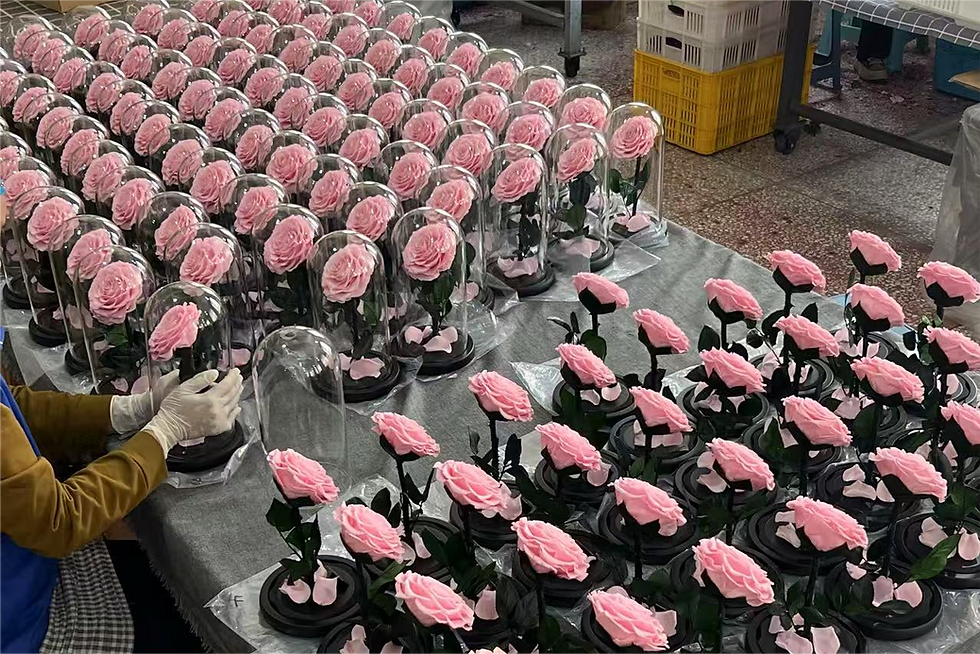
The simplest “go or no-go” test
You don’t need a complicated model to decide. You need clarity on whether Brand #2 creates advantage or just doubles your workload.
Here’s a lightweight way to pressure-test the decision:
If your situation looks like this | Brand #2 tends to work when | Brand #2 tends to fail when |
Margin is compressing and the category feels commoditized | You can shift intent (gift, premium, occasion) and redesign the offer | You mainly plan to cut price to chase volume |
Your product is good, but looks too similar in a crowded shelf | You can redesign packaging, bundle structure, and specs that customers feel | You only change the name and photos |
You’re losing time to slow iteration | Your supplier system supports fast sampling and controlled revisions | Sampling is slow and QC is inconsistent |
You worry about operational complexity | You have real ownership across catalog, ops, and creative | Execution lives in the founder’s evenings |
If you are mostly in the right-hand “fail” column, it is usually smarter to strengthen Brand #1 first.
If you do not launch Brand #2, what to do instead
Many founders can get the same strategic benefit by rebuilding the offer inside Brand #1. This often works because you keep your existing brand equity while changing what the customer actually receives.
1) Make “premium” physical, not verbal
On Amazon, premium is not what you claim. It is what arrives at the customer’s door.
In gift categories especially, you can often defend price by improving:
protective packaging to reduce damage and returns
consistent appearance and color expectations
tactile materials that signal tier
a gift-ready experience that customers trust
That is not fluff. It changes review content, return rates, and the buyer’s willingness to pay.
2) Build defensibility through structure
Instead of a single SKU that can be copied, build a line that is harder to replace:
variants tied to occasions and use cases
bundles that reduce direct comparability
packaging formats that create a signature look
A competitor can chase one SKU. It is harder to chase a system that feels coherent across a catalog.
3) Tighten the iteration loop with your supplier
This is where founders quietly win or lose.
When your supplier can:
sample quickly
revise packaging without restarting the whole project
hold consistent quality across batches
document QC checkpoints that match customer expectations
you gain speed without sacrificing stability. That is one of the few advantages that remains durable even as categories get more crowded.
If you decide to launch Brand #2, keep it operationally honest
Founders rarely fail on ideas. They fail on execution friction.
Before you spend on a new trademark, ask three operational questions:
If the answer to any of those is “not yet,” it doesn’t mean “never.” It means your next move should be rebuilding the system first.
If you want, my team can review a second-brand concept from the manufacturing side and point out where founders typically lose time or margin: sampling timelines, packaging feasibility, QC risk, and lead time reality. Email sales@sweetie-group.com and include what you want to launch, when you want it live, and what “premium” must feel like in the customer’s hands.
The bottom line
A second brand can be a smart portfolio move, but only when it creates a structural advantage. If Brand #2 is simply a lower-priced mirror of Brand #1, you are not escaping Chinese competition. You are inviting it to define your business.
The founders who hold up best under pressure don’t just “fight harder.” They change the offer in ways that make the product harder to replace, then build an operational system that lets them iterate faster than the market.
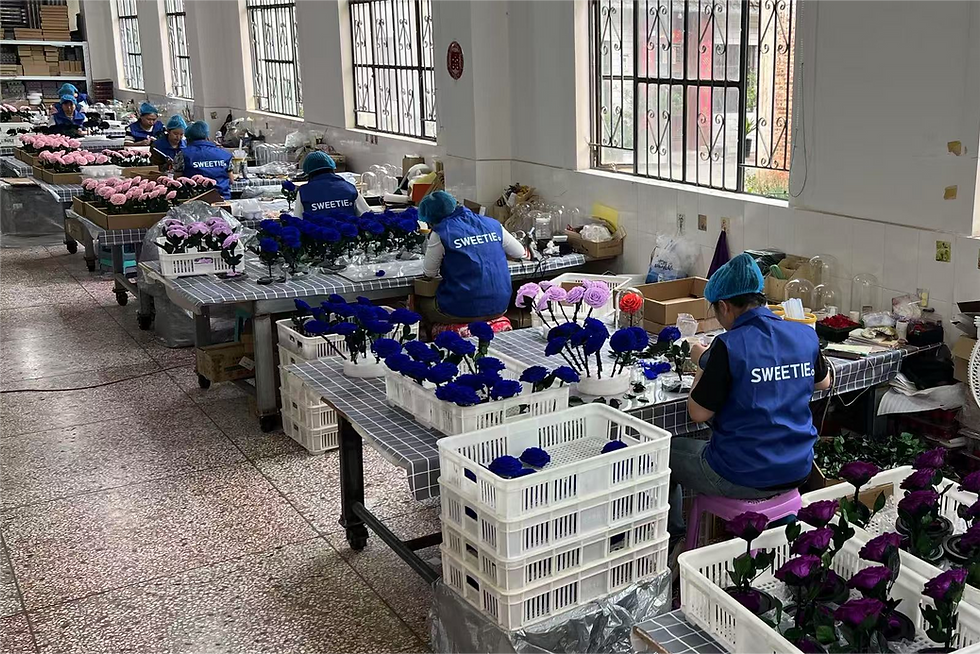
CEO of Sweetie Group


Comments