


Museum & Theatre Collectible Gifts: What Actually Sells in Gift Shops


If you run a museum store, a theatre shop, or an attraction gift shop, you already know the moment that matters most: the visitor is still riding the emotional high. They’re not just buying an item. They’re buying a way to take the experience home.
That’s why collectible gifts perform so well in cultural retail. Done right, they turn a one-time visit into something people keep on a shelf, point to years later, and sometimes come back to buy again.
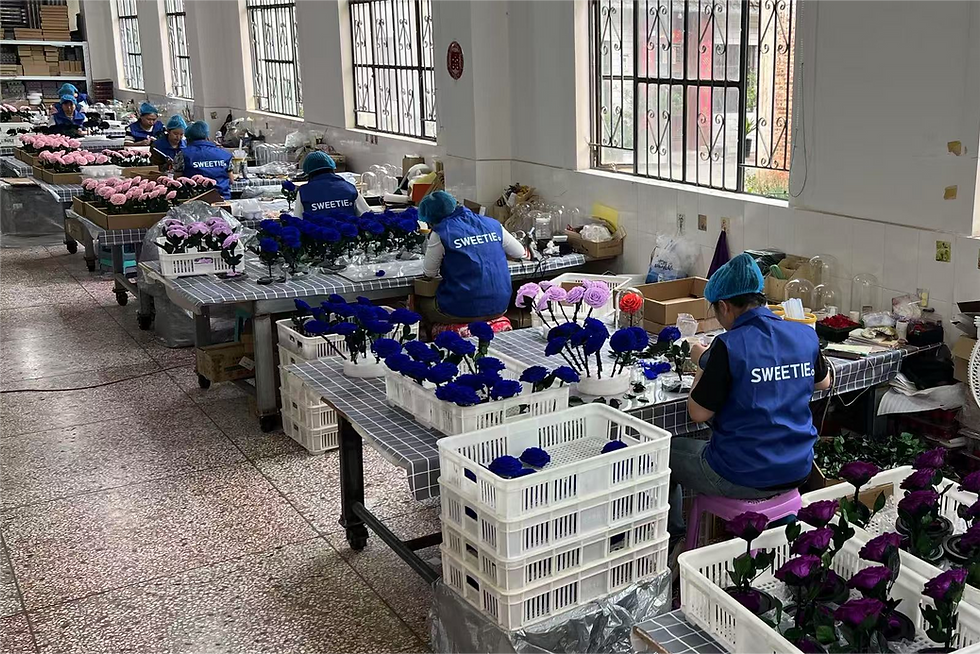
In this article, I’ll stay practical and buyer-focused: what actually sells, why these channels naturally prefer collectible items, how “store-exclusive” programs work in real life, and how to reduce damage and returns for display-ready gifts. I’m writing this from the perspective of someone who manufactures preserved flower and plush flower gifts, but I’ll keep the lens neutral—because the buyer’s economics always win.
Why museums and theatres naturally favor collectible gifts
The product is a physical memory, not a utility
In cultural retail, the most successful items aren’t the most functional—they’re the most meaningful. Visitors want a keepsake that says, “I was there.” That’s why display-ready gifts—things that live on a desk, bookshelf, or vanity—consistently outperform “use-and-forget” merchandise.
Location-limited is built-in scarcity
A huge advantage museums and theatres have is something e-commerce can’t fully copy: place-based exclusivity. When a customer knows they can only find a specific design at that flagship store or that theatre, the item instantly becomes more collectible—even without a famous IP attached.
Display value extends the emotional lifespan
A souvenir that gets tucked into a drawer disappears. A collectible that stays visible becomes part of a person’s space—and keeps the story alive. That visibility is also what drives organic word-of-mouth: “Where did you get that?”
What actually sells in museum and theatre gift shops
Across museums, theatres, and attractions, the winners tend to share a few common traits:
Easy to carry: compact, giftable, not fragile in the shopper’s hands
Easy to display: looks good without extra setup
Easy to understand: a clear story or emotional hook in three seconds
Easy to repeat: a series, a season, or a reason to collect “the next one”
Here’s a simple way many buyers think about collectible gift formats in cultural retail:
Format | Why it sells in cultural retail | Typical trigger |
Small desk display item | High display value, low carrying hassle | “This belongs on my shelf” |
Giftable box item | Feels premium, easy to give | “I need a meaningful gift” |
Series collectible | Encourages repeat purchases | “I want the full set” |
Location-exclusive edition | Instant scarcity | “Only available here” |
Where preserved flowers fit
Preserved flowers are naturally aligned with cultural retail because they’re display-first and long-lasting. In practice, the formats that tend to work best in museums and theatre shops are:
Single-flower gift boxes (compact, strong emotional signal, great for impulse buys)
Small floral desk decor (high display value with a curated aesthetic)
Presentation pieces designed as keepsakes (where the packaging is part of the product)
Where plush flowers fit
Plush flowers are surprisingly well-suited to museums and theatres because they combine three things these channels love: warmth, display, and photoability. The best-performing plush formats I see tend to be:
Single-stem plush blooms (simple, affordable, giftable)
Mini plush bouquets (strong visual payoff, still easy to carry)
Hanging or tag-based versions (collectible feel without needing blind-box mechanics)
If you want me to share a few format recommendations based on your shop type, space, and typical visitor profile, email me at sales@sweetie-group.com.

Two real-world examples of collectible gifts in cultural retail
I’ll share two cases we’ve been involved in, not as “look at us” stories, but as sourcing patterns buyers can learn from.
Broadway theatre shop with licensed Beauty and the Beast merchandise
A client sourced a single preserved flower box tied to Disney’s Beauty and the Beast licensing and sold it in a Broadway theatre shop.
From a buyer’s point of view, it worked because:
The venue context already carries emotion (the audience is primed)
Licensing creates instant recognition (fans self-identify)
The format is perfect for theatre retail (compact, display-ready, giftable)
It behaves like a keepsake (people don’t “use” it up; they keep it)
Even if you’re not using big licensing, the same “theatre logic” applies: the right design can capture the show’s mood and become a physical memory.
The British Museum flagship store with preserved flower decor
We also worked with the British Museum on preserved flower decor sold in their flagship store.
Why this model fits museum retail:
Museum customers often buy items that feel curated, artistic, and timeless
A flagship environment amplifies perceived value—design and packaging matter more
Products that sit well in a home (without looking like tourist clutter) tend to perform best
If you’re a museum or theatre buyer considering a store-exclusive edition, I’m happy to share what typically works for packaging and story cards—just reach out at sales@sweetie-group.com.

How store-exclusive collectible programs actually work
“Exclusive” doesn’t have to mean expensive tooling or risky inventory. In cultural retail, I see four practical types of exclusivity that buyers use most often:
1) Exclusive packaging
This is often the fastest path. Examples include:
custom color palettes tied to the venue identity
gold-foil details or embossed motifs
a small “only available at” message placed tastefully
premium unboxing cues that match the institution’s tone
2) Exclusive color or material choices
A limited palette can signal collectibility without changing the core structure. This is especially effective for preserved flower and plush flower items because color drives emotional preference.
3) Exclusive story card
A story card does a lot of heavy lifting in museums and theatres. It can include:
a short narrative connected to the venue or production
a “season” or “edition” label
a subtle collectible cue (for example, “Series 1” or “Flagship Edition”)
4) Exclusive combination set
Instead of reengineering the whole product, combine:
a core item + venue-specific sleeve + story card + display baseThis is how many buyers reduce risk while still creating something that feels “special.”
A good rule: start with packaging and story before you redesign the product itself.
Packaging and shipping that reduce returns for display-ready gifts
Cultural retail is unforgiving about damage—not because buyers are picky, but because returns are operationally painful and harm the visitor experience.
For display-ready gifts (especially anything with fragile surfaces or structured presentation), three things decide your damage rate:
1) Stabilization
Products fail in transit when they can move. The goal is to make the item behave like a single solid block inside the shipper.
2) Cushioning where it matters
Not all cushioning is equal. The best packaging protects the stress points:
corners
top pressure zones
any raised decorative features
3) Surface protection
Even when the product survives structurally, scuffs and scratches can turn into “unsellable” inventory in a flagship store. Good surface protection is often as important as shock protection.
For preserved flowers, another overlooked issue is internal contact: you want the flower head to avoid touching inner walls or top panels during transit. For plush flowers, compression and deformation matter more than breakage—so the internal structure should preserve shape without overpacking.

FAQ buyers ask before launching a collectible gift program
What makes a gift collectible in a museum or theatre shop?
Display value, emotional meaning, and a reason to collect more than one (series, season, or exclusivity).
Do we need a famous IP for a collectible to sell?
No. Location exclusivity, curated design, and a strong story card often create “collectible behavior” on their own.
What price points work best?
It depends on your visitor profile, but most shops benefit from having an entry collectible (impulse) and a “giftable” collectible (premium) rather than only one tier.
How can we test without taking big inventory risk?
Start with a small run using exclusive packaging and a story card, then scale based on sell-through.
What’s the biggest avoidable cause of returns?
Movement inside packaging. If the product can shift, it will eventually lose.
A simple sourcing workflow buyers can reuse
Define the visitor moment you’re selling to (exit impulse, gift purchase, collector audience)
Choose one collectible mechanism (exclusive edition, series, season, or story-based keepsake)
Lock the format (compact display item, boxed gift, series collectible)
Prototype packaging first, then finalize product details
Run a small pilot, track sell-through and return reasons
Expand into a series or annual edition if the pilot works
Closing thoughts
Museum and theatre retail isn’t about chasing trends—it’s about translating a meaningful experience into a physical object people want to keep. Preserved flowers and plush flowers can both fit this space well when they’re designed as display-ready keepsakes, supported by smart exclusivity, and protected by practical packaging that keeps returns low.
If you’re planning a museum store, theatre shop, or attraction gift program and want a manufacturer’s perspective on formats, exclusivity options, or packaging specs, email me at sales@sweetie-group.com.
CEO of Sweetie Group


Comments